Some foods are as risky as they are tasty. From poisonous plants to dangerous seafood, one bite can lead to serious consequences—paralysis or even death.
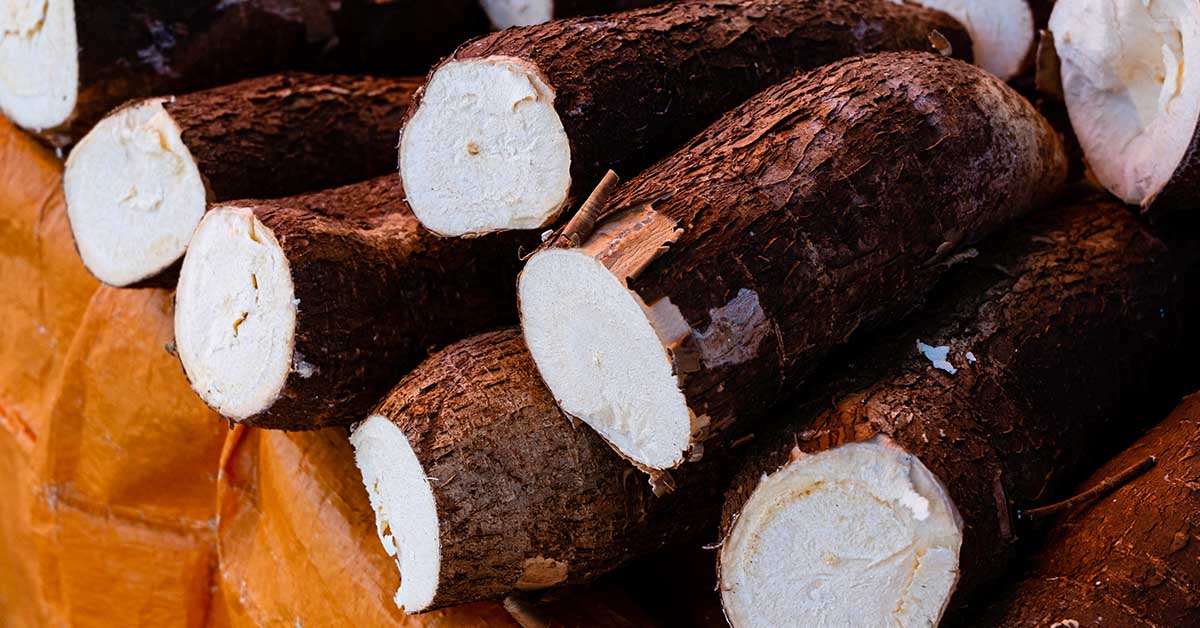
Take cassava, for example. It’s a dietary staple for millions across South America and tropical regions around the world, packed with vital carbohydrates. But here’s the catch: cassava contains compounds that turn into cyanide when the plant is eaten raw or improperly prepared. That makes it one of the deadliest foods on the planet.
If it’s not processed correctly—soaked, fermented, or thoroughly cooked—it can cause goiters, nerve damage, or worse. Still, for many communities, it’s a lifeline. They’ve mastered traditional methods to safely prepare cassava, turning a toxic root into a source of daily nourishment.
Deadly foods aren’t as rare as you might think—nature can hide danger in some pretty surprising places. Some dishes need expert handling and prep. The line between food and poison is thinner than you’d expect. Knowing the risks could be the difference between a tasty meal and a trip to the ER.
Cassava (Yuca)
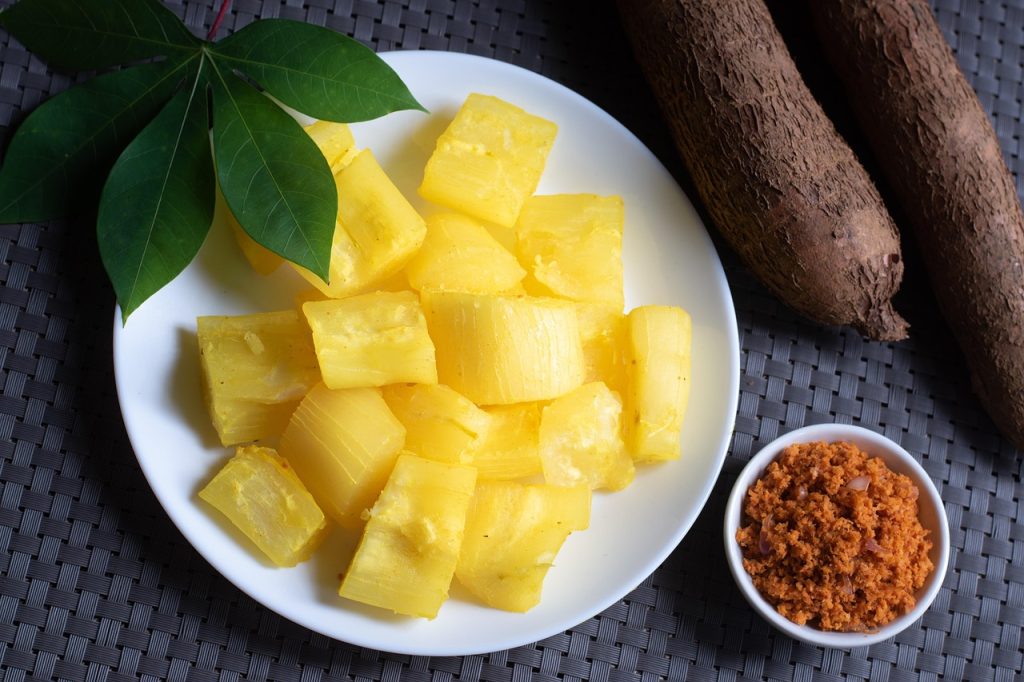
Cassava can be one of the deadliest foods if it’s not prepared properly. Each year, it causes up to 200 deaths and leaves many others with permanent disabilities from cyanide poisoning. To make it safe, the toxic roots need to be soaked for at least 24 hours before boiling or frying to break down the harmful substances. Despite these dangers, cassava thrives in poor soil, making it a vital food source in many parts of the world. When prepared right, this potentially dangerous plant becomes a reliable and safe carbohydrate.
Star Fruit
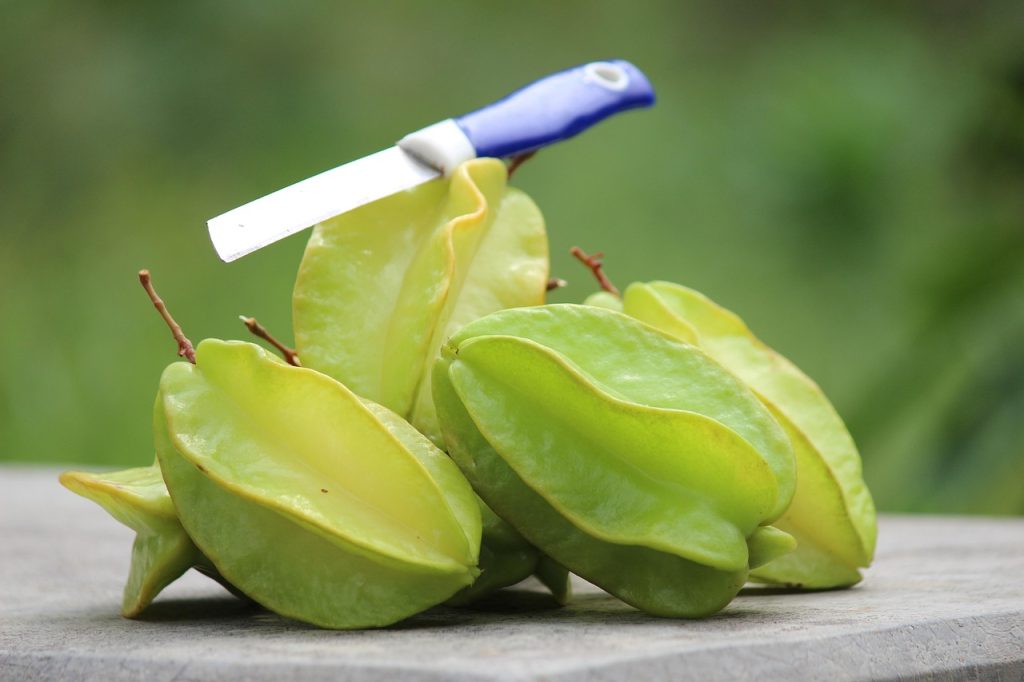
Starfruit might look innocent, but it packs neurotoxins that can be deadly for people with kidney problems. Healthy kidneys can filter these toxins, but for those with kidney disease, they can build up and cause seizures, confusion, or even death. Symptoms can show up within hours, starting with hiccups, vomiting, or weakness. Cooking it won’t eliminate the danger, so for those at risk, avoiding starfruit is the safest choice.
Cherry Pits
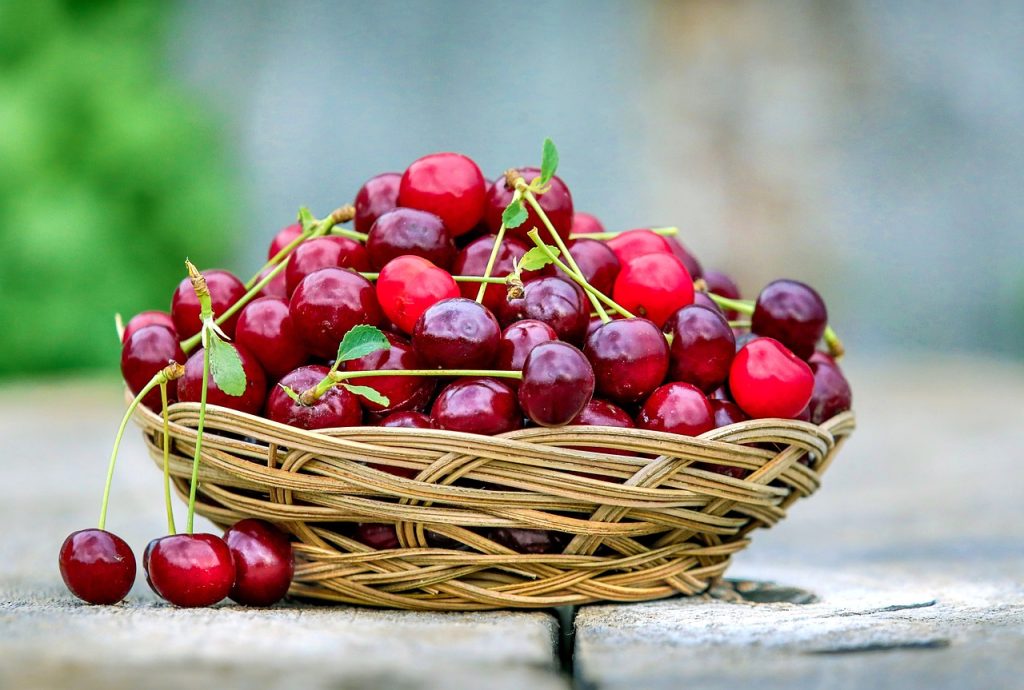
Cherry pits might seem harmless, but they actually contain amygdalin, a substance that turns into cyanide when digested. Just a few crushed or chewed pits can trigger headaches, dizziness, and even worse. This hidden danger is why cherries make the list of the World’s Deadliest Foods when eaten the wrong way. Swallowing a whole pit is usually fine, but breaking them open releases toxic compounds. In large amounts, this can lead to breathing problems, seizures, or even death. While cherries are a delicious treat, their pits are a reminder that even natural foods can carry serious risks.
Green Potatoes
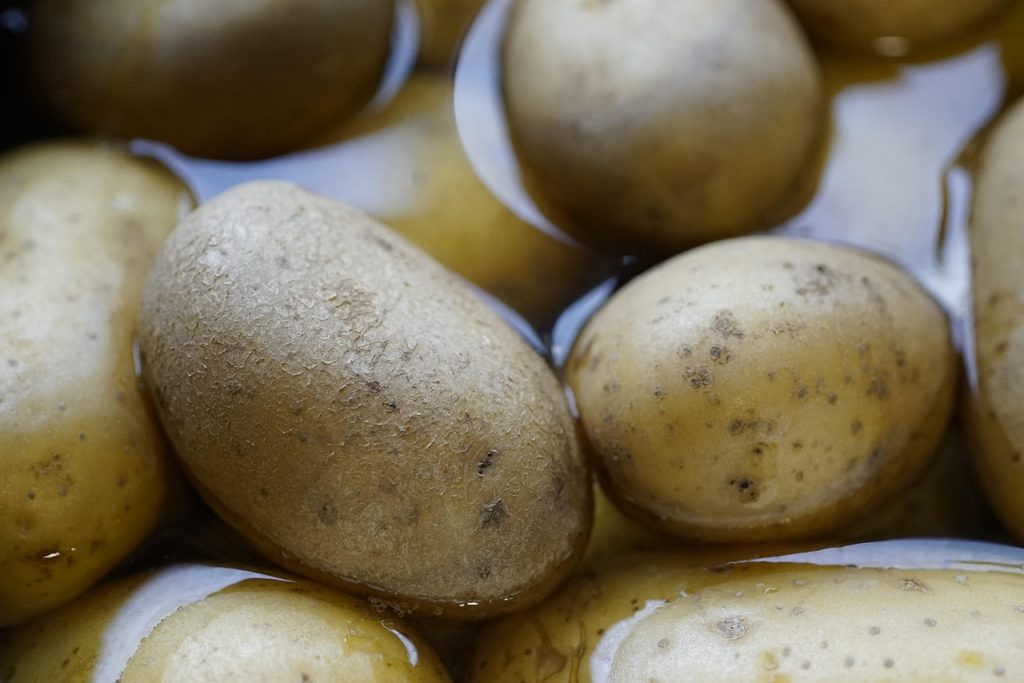
Green potatoes have a natural toxin called solanine, which can cause nausea, headaches, and even nerve damage. When potatoes are exposed to light, their solanine levels rise, turning the skin green and making them unsafe to eat. Eating too many can lead to symptoms like vomiting, confusion, or even paralysis in severe cases. Cooking won’t remove the toxin, so it’s best to peel or throw away any green potatoes to stay safe.
Pufferfish

Pufferfish, a sought-after delicacy in Japan, is the star ingredient in fugu, a sushi dish that’s famous for both its unique taste and the danger it poses. Japanese chefs train for years to perfect the art of preparing it, carefully removing the liver, intestines, and ovaries, which contain tetrodotoxin — a powerful poison. If consumed, this toxin can cause numbness, paralysis, and even respiratory failure in just 20 minutes. Every year, people get sick from improperly prepared pufferfish, but only a few cases end in death.
Raw Cashews
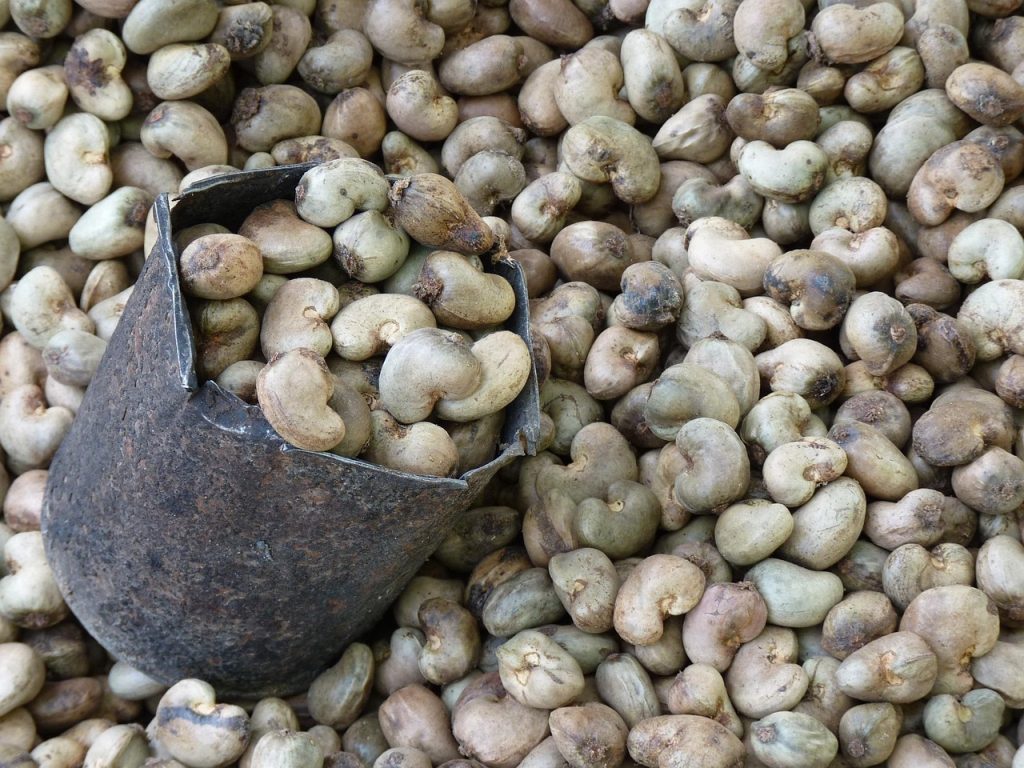
Raw cashews are more dangerous than you might think—they contain urushiol, the same toxic compound found in poison ivy. Eating them can lead to serious allergic reactions, skin rashes, or swelling. Even a small amount could cause itching, blisters, or breathing issues. To make cashews safe to eat, they’re steamed to remove the toxins before being sold. While they’re creamy and packed with health benefits, raw cashews should never be eaten straight from the tree. Proper processing makes them a tasty, safe snack that millions enjoy.
Bitter Almonds
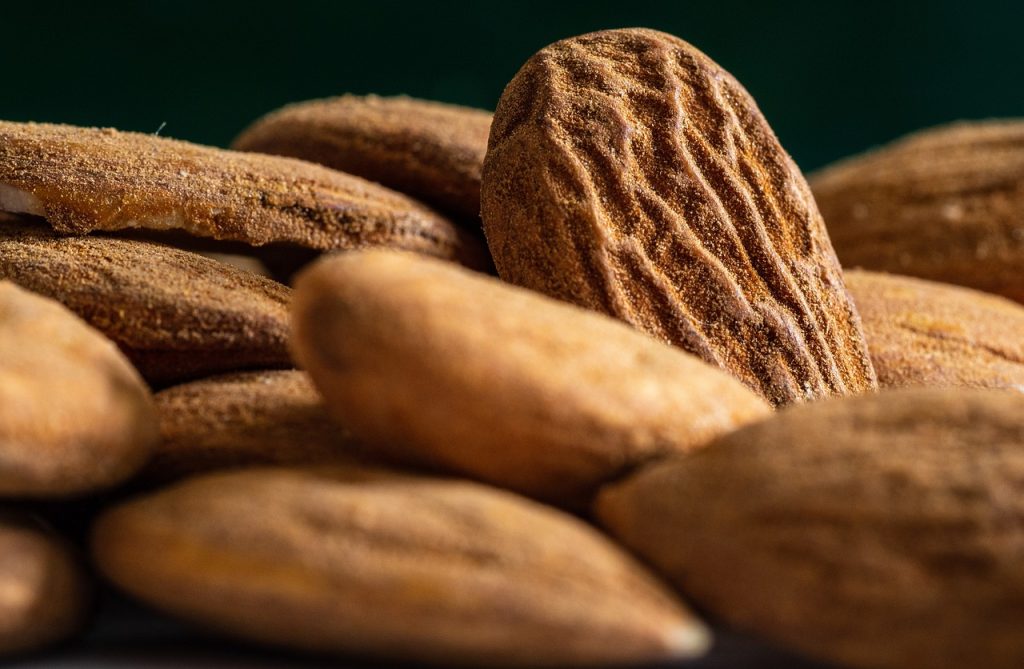
Bitter almonds contain amygdalin, a substance that turns into cyanide when it’s eaten. Just a handful can cause dizziness, difficulty breathing, or even death. Unlike sweet almonds, bitter ones need special processing to remove the toxins before they’re safe to eat. Eating them raw is especially dangerous, particularly for kids. Even small amounts can cause symptoms like weakness and confusion to show up fast. While almonds are a favorite snack, bitter almonds remind us that not all nuts are as safe as they seem.
Apple Seeds
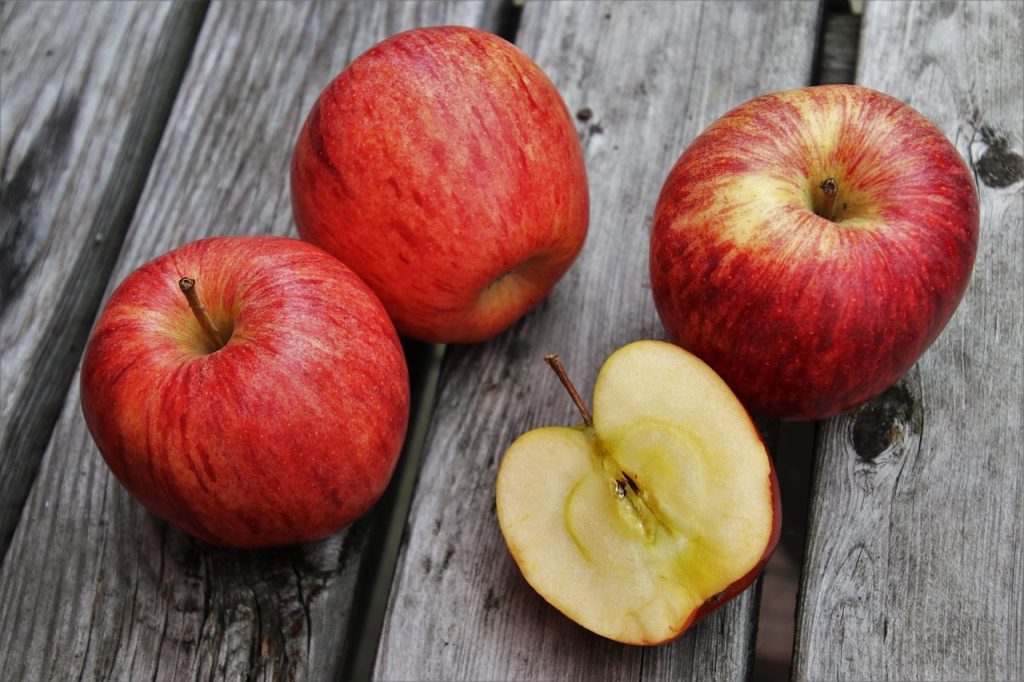
Apple seeds have a compound called amygdalin, which turns into cyanide when it’s broken down in your body. Eating a few seeds probably won’t hurt you, but eating too many can be risky. Symptoms of cyanide poisoning include dizziness, nausea, and trouble breathing. Your body can handle small amounts of cyanide, but too much can be dangerous. Swallowing whole seeds is generally safe, but chewing or crushing them can release harmful toxins.
Nutmeg
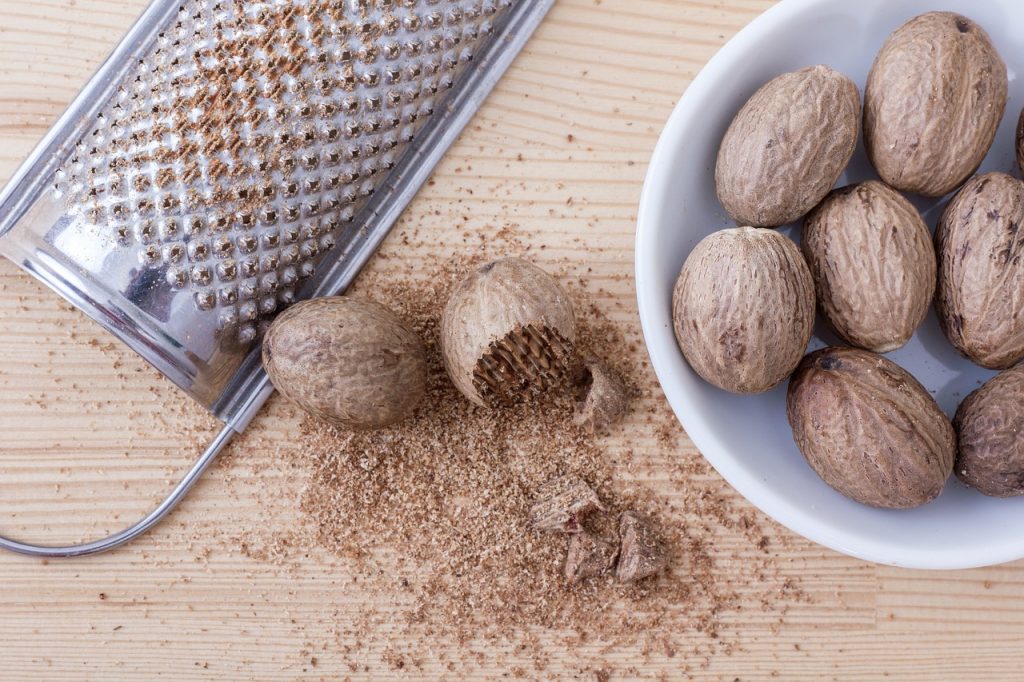
Nutmeg adds a cozy warmth to many dishes, but too much of it can make it one of the world’s deadliest foods. It contains a compound called myristicin, which messes with your nervous system and can cause hallucinations, nausea, and even seizures. Just a few teaspoons can lead to dizziness, a racing heart, and confusion. These symptoms can last for hours or even days, making it easy to accidentally overdose. While a dash enhances flavor, overdoing it turns this everyday spice into a serious health risk.
Mushrooms
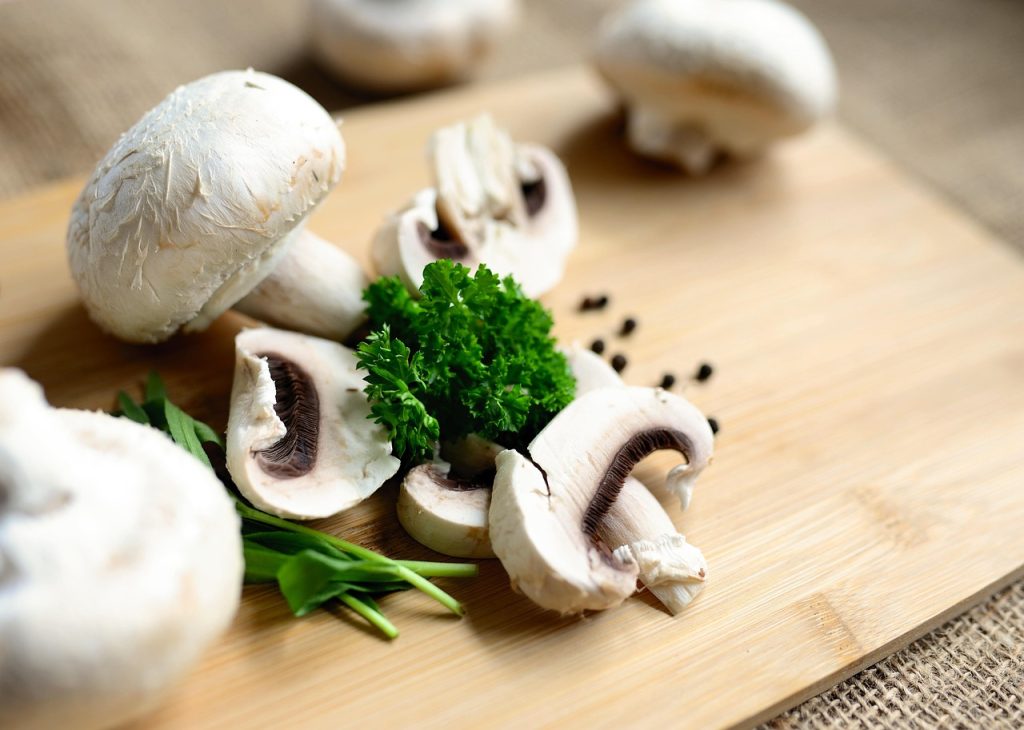
Some mushrooms are deadly, even in small amounts. The Death Cap, for example, contains toxins that can cause organ failure within days. The Destroying Angel may look harmless, but it’s fatal if eaten. False Morels have a toxin that turns poisonous once inside your body. Symptoms can range from nausea to severe liver damage, depending on the mushroom. Cooking doesn’t always get rid of these toxins, so identifying mushrooms correctly is key. Even seasoned foragers can accidentally pick a dangerous one. When in doubt, it’s safest to skip wild mushrooms and stick to the ones you find at the store.